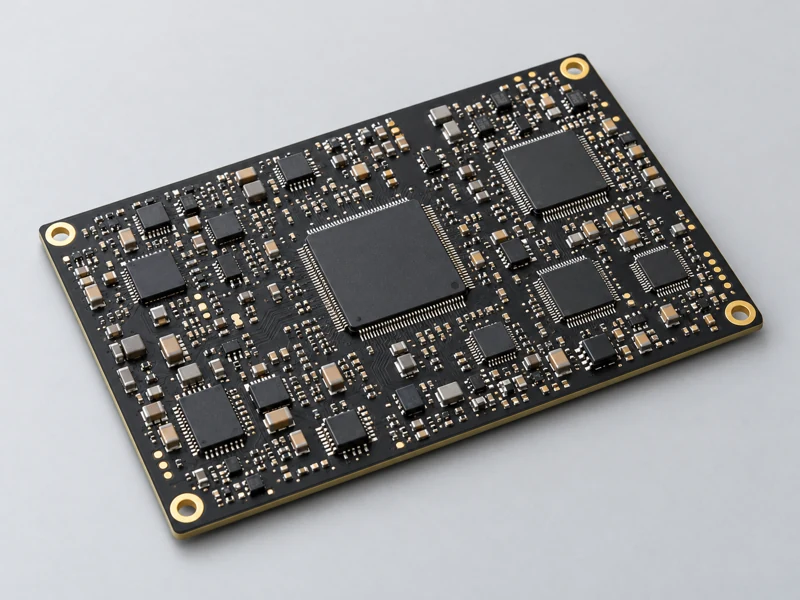
Surface-Mount Assemblies
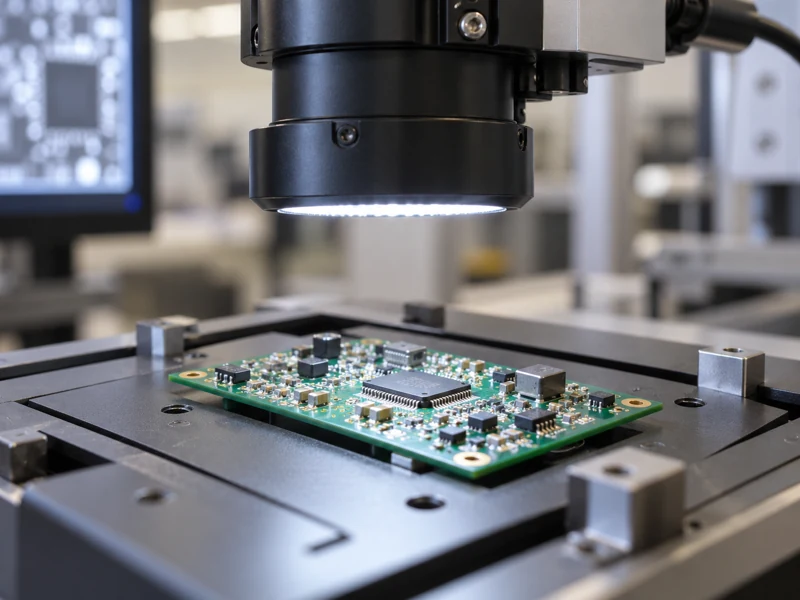
Coordinate fine-pitch ICs, passive parts, stencil preparation, placement, and reflow using the approved BOM and layout.

SOURCE • ASSEMBLE • DELIVER
Bring PCB fabrication, component sourcing, assembly, and agreed testing together with MV Circuit. One coordinated build helps you manage materials, engineering approvals, and delivery from the same release package.
ONE COORDINATED BUILD
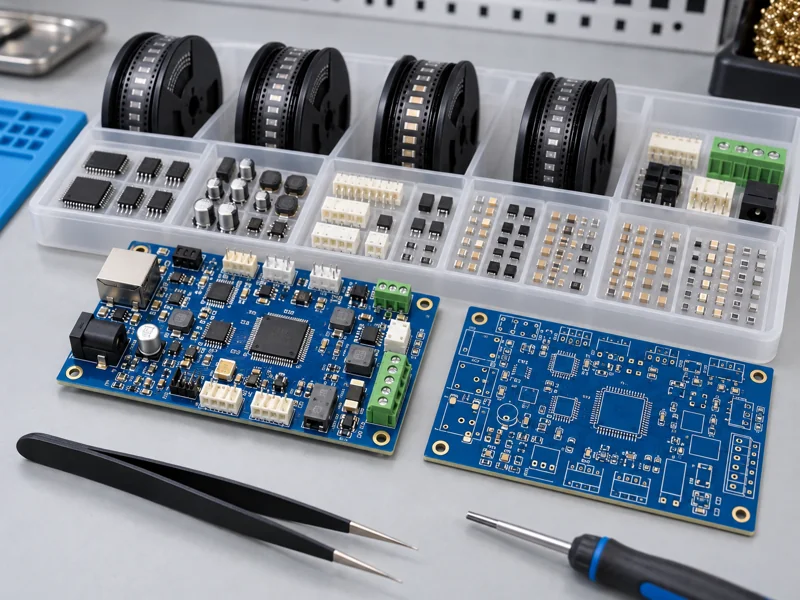
A turnkey project connects the bare board, purchased parts, assembly program, and acceptance plan. Your engineering team supplies a controlled design package; we coordinate the manufacturing tasks and bring open questions back for approval.
This approach is useful when you want PCB fabrication and component purchasing managed alongside assembly. It also makes material availability, setup needs, and testing visible before the production schedule is confirmed.
The scope follows your quotation. Firmware loading, functional test fixtures, special finishes, coating, and additional mechanical work are reviewed and included when agreed.
ASSEMBLY OPTIONS
Coordinate fine-pitch ICs, passive parts, stencil preparation, placement, and reflow using the approved BOM and layout.
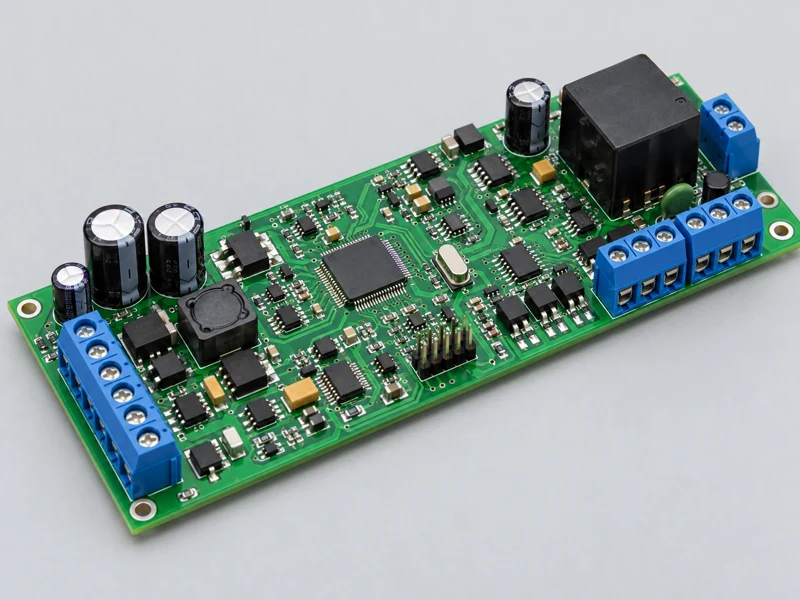
Combine surface-mount circuitry with through-hole connectors, terminals, and mechanically loaded components.
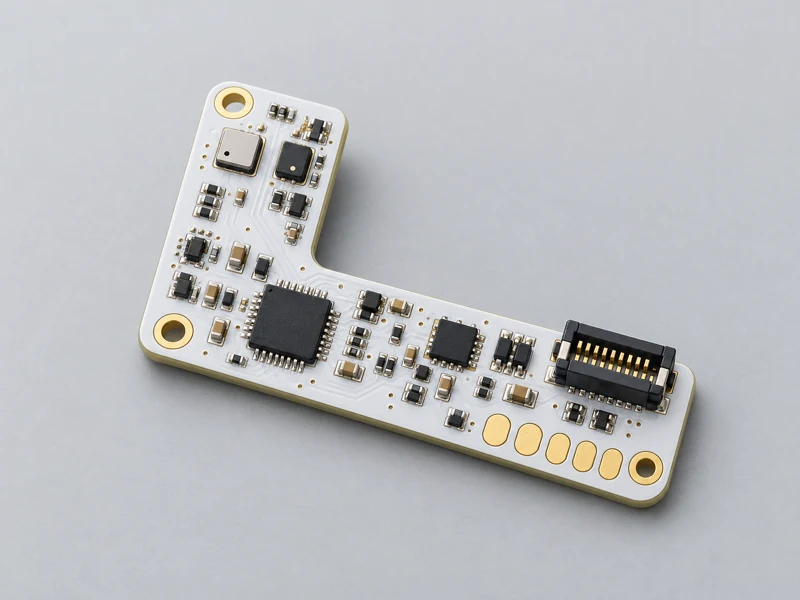
Bring small sensing and interface boards together with the specified components, handling requirements, and test access.
COMPONENT SOURCING
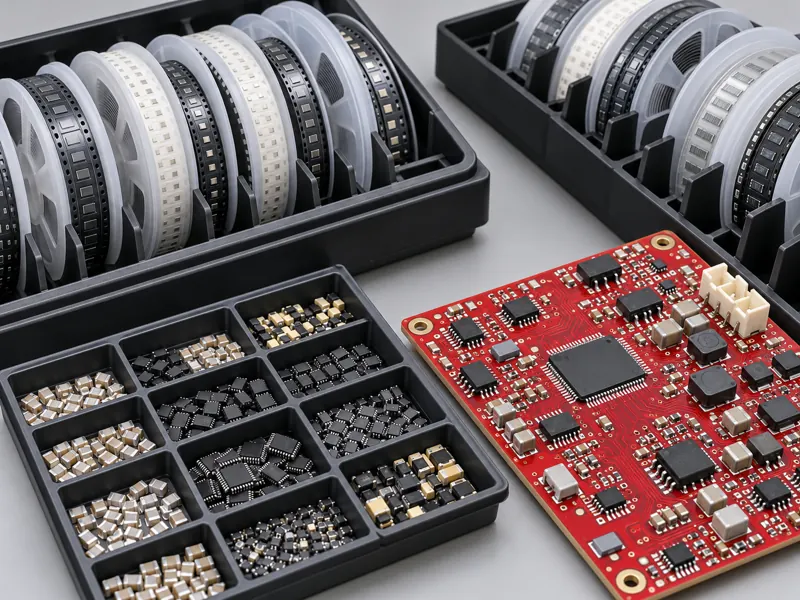
Provide manufacturer names and exact part numbers, reference designators, quantities, and do-not-fit positions. Add approved alternatives, sourcing restrictions, and any traceability or date-code requirements.
We review availability and flag purchasing questions before proceeding. If a device is unavailable or has a long lead time, proposed alternatives return to your team for technical approval.
For partial turnkey projects, a line-by-line responsibility list separates purchased and customer-supplied materials. Agree how shortages, setup quantities, unused stock, and future orders will be handled.
SERVICE SCOPE
| Project Area | Turnkey Support | What We Agree Together |
|---|---|---|
| Bare PCB fabrication | Board manufacture to the approved files | Stack-up, materials, finish, panelization and fabrication acceptance. |
| Component procurement | Purchasing against approved manufacturer part numbers | Supplier requirements, alternatives, availability and material ownership. |
| Assembly | SMT, through-hole and mixed technology by project review | Packages, board support, soldering sequence and special handling. |
| Incoming material checks | Agreed identification and condition checks | Packaging, quantities, moisture sensitivity and required records. |
| Inspection | Visual, AOI and agreed hidden-joint inspection | Acceptance requirements, sampling and any first-article hold point. |
| Programming & functional test | Defined operations as agreed in the quotation | Firmware, access, fixtures, safe limits and pass/fail criteria. |
| Release & logistics | Identified assemblies and suitable protective packaging | Revision labels, agreed records, shipment terms and unused stock. |
Send the actual board and BOM for a capability review. Package limits, inspection methods, special operations, and delivery are confirmed for the complete project.
TURNKEY WORKFLOW
01
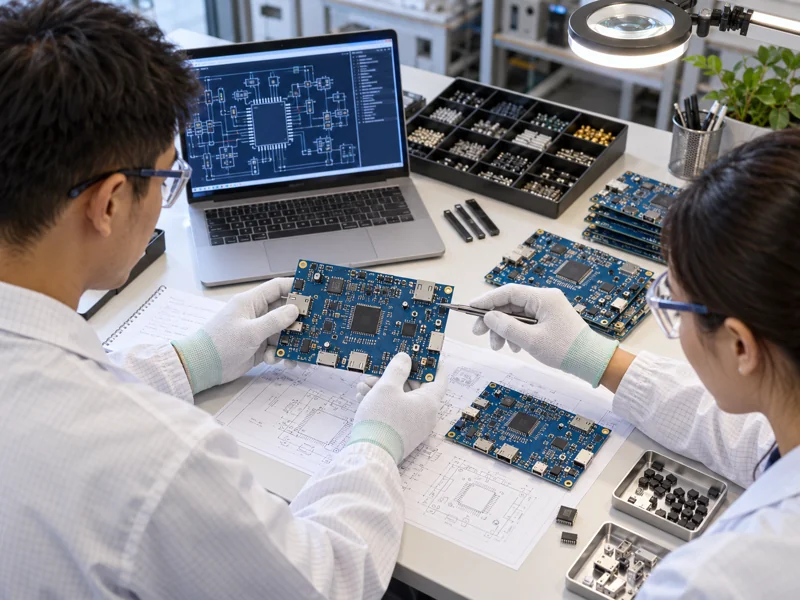
Define which fabrication, sourcing, assembly, and test operations are included. Release one coordinated file package and identify decisions that need customer approval.
02
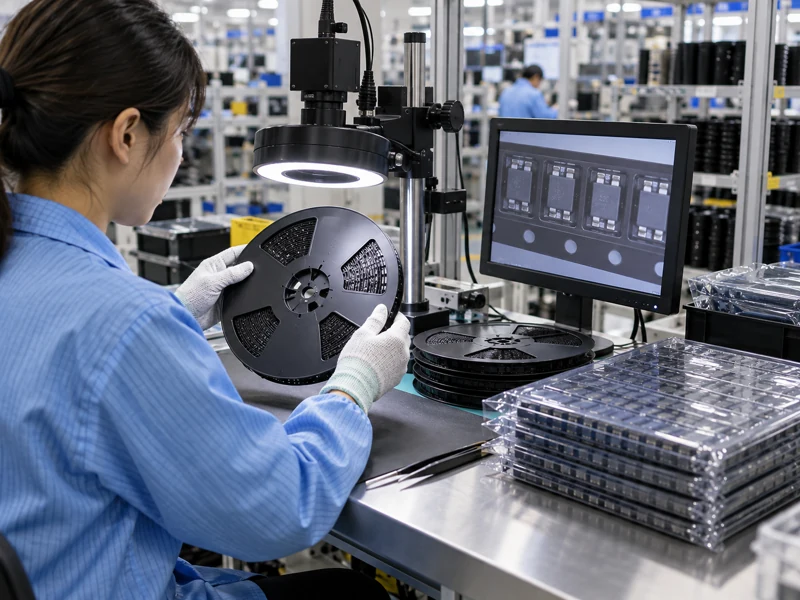
Review exact manufacturer part numbers, supplier requirements, lead times, and proposed alternatives. Resolve purchasing questions before components are committed.
03
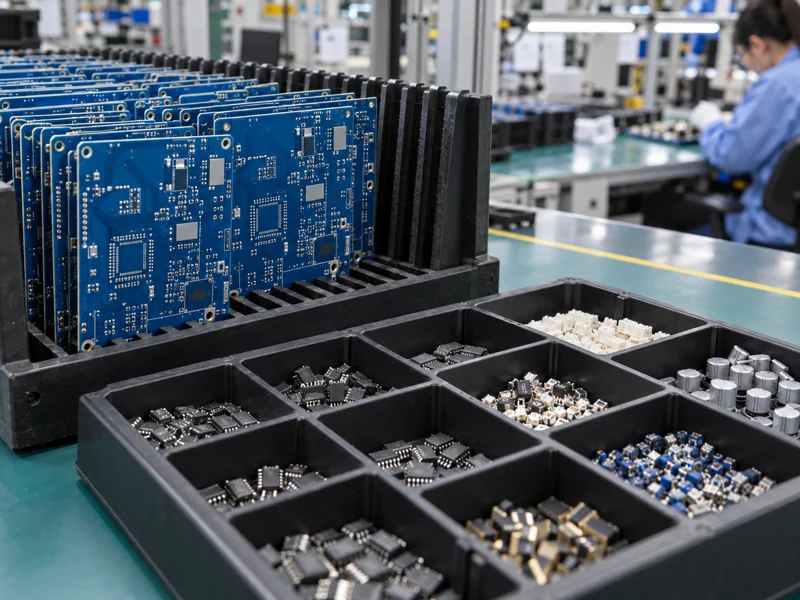
Coordinate PCB construction, panel format, component footprints, and assembly needs so the fabricated boards and purchased parts belong to the same approved revision.

04
Check kit completeness, packaging, moisture-sensitive handling, and any supplied parts. Flag shortages early and agree the action before the assembly line is scheduled.
05
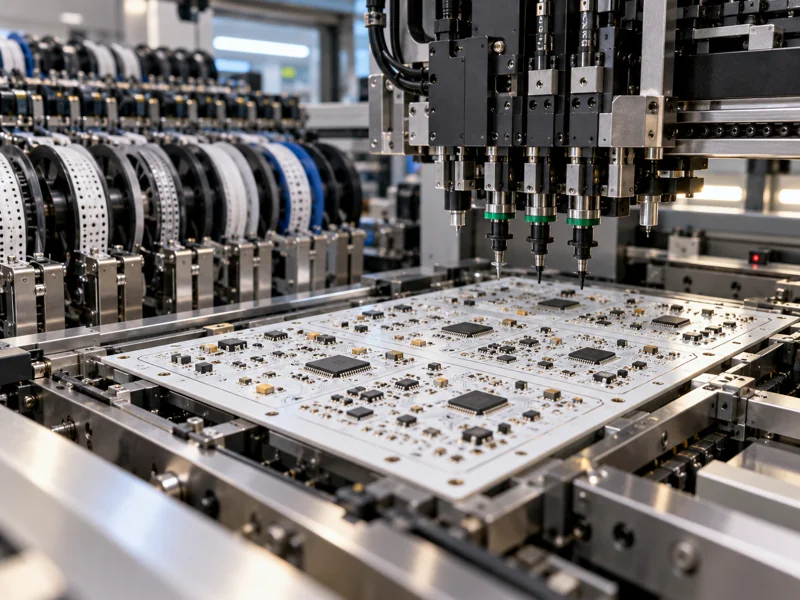
Bring the released boards, material kits, placement program, and soldering instructions together. Apply agreed inspection or first-article checkpoints before continuing.
06
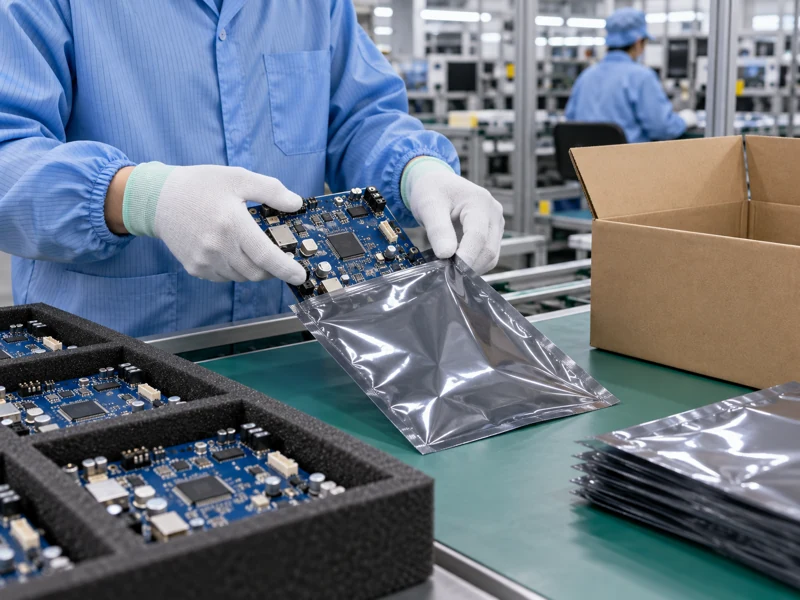
Confirm the delivered revision, agreed test results, protective packaging, and shipment plan. Record how excess components will be returned or held for an identified repeat build.
QUALITY & ACCEPTANCE
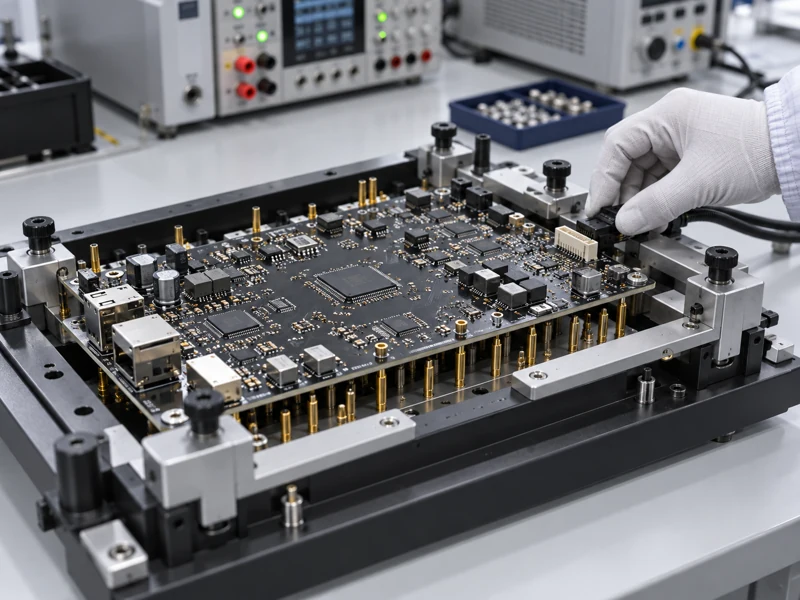
Incoming checks help confirm that the intended materials reach the line. Assembly inspection checks accessible workmanship features; hidden solder joints may need an agreed X-ray plan.
Programming and functional testing need more than a powered board. Supply the firmware, connection details, fixture requirements, operating sequence, and measurable limits so results have a clear meaning.
Keep inspection findings and approved deviations connected to the delivered revision. Product validation and regulatory certification follow their own requirements and are not implied by assembly inspection.
APPLICATIONS
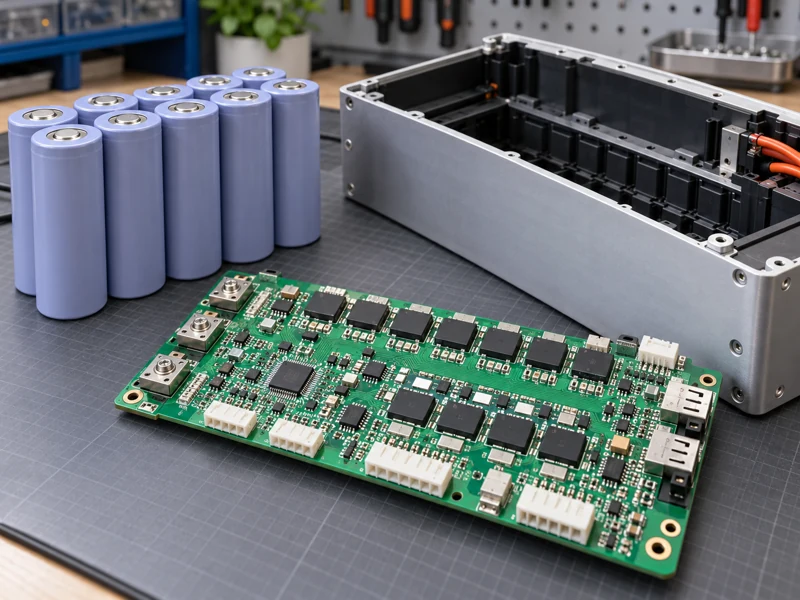
Coordinate battery monitoring, balancing, and communication assemblies with specified components, revision control, and the agreed electrical test plan.
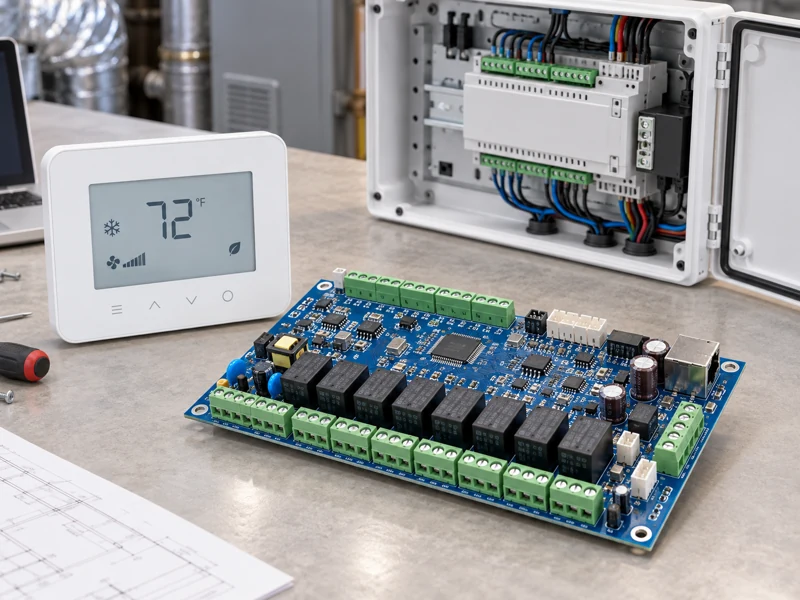
Bring HVAC controls, relay interfaces, and room-control electronics into one sourcing and assembly plan, with clear connector and configuration requirements.
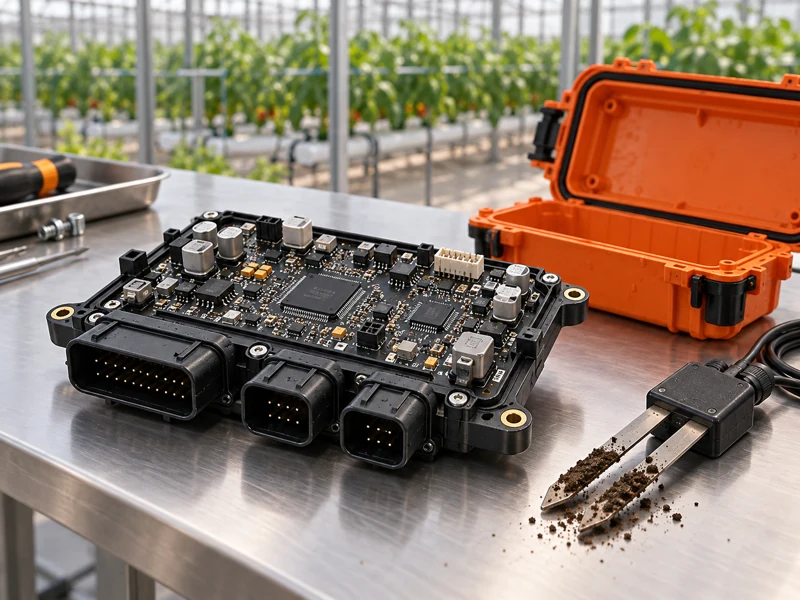
Manage controller and sensor-interface assemblies for irrigation and field equipment, including connector selection, handling, and any specified protective treatment.
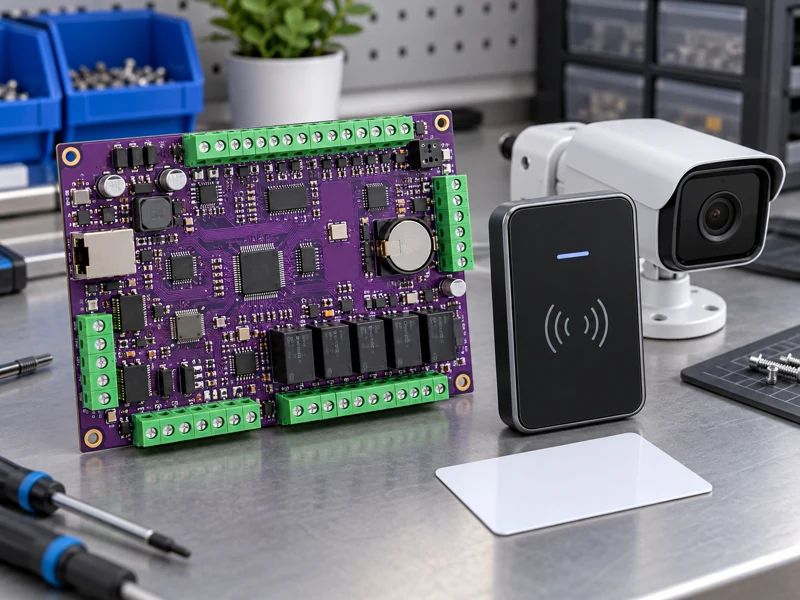
Coordinate access-control and monitoring boards with approved interfaces, programming data, and functional checks for the intended system integration.
MV CIRCUIT
MV Circuit supports PCB fabrication, component sourcing, and assembly for customers across Europe, North America, and Asia. A coordinated project contact brings purchasing questions, engineering approvals, and production updates together.
Our team reviews the released files before manufacturing and helps maintain revision identity across board fabrication and assembly. For repeat orders, confirm BOM changes, material availability, and test requirements before the next release.
MANUFACTURING VIDEO
Explore the PCB and assembly overview from our official manufacturing channel, then discuss the fabrication, sourcing, and assembly stages for your turnkey project.
START YOUR TURNKEY PROJECT
Send fabrication files, a BOM with manufacturer part numbers, pick-and-place data, and assembly drawings. Include quantities, revision, approved alternatives, sourcing restrictions, delivery target, firmware, and your test requirements.
Send Your Turnkey Assembly Inquiry
Email: info@mv-circuit.com
COMMON QUESTIONS
Turnkey PCB assembly combines bare-board fabrication, component purchasing, assembly, and the agreed inspection and test services in one coordinated project. You release the design files and approve technical or purchasing decisions; MV Circuit coordinates the manufacturing work against that approved package.
The quotation should identify PCB fabrication, components, stencil and setup, assembly operations, inspection, programming, testing, packaging, and delivery terms. Special tooling, fixtures, conformal coating, or other requested operations are listed separately where applicable. Confirm the scope before releasing the order.
Send Gerber or agreed fabrication data with drill files, a fabrication drawing and stack-up, BOM with manufacturer part numbers, pick-and-place data, and an assembly drawing. Include quantities, revision identifiers, do-not-fit positions, approved alternatives, firmware, and test requirements.
Purchasing follows the approved BOM, manufacturer part numbers, supplier requirements, and agreed sourcing route. Component availability, packaging, lead times, and handling requirements are reviewed before commitment. Identify parts that require a particular authorized source or additional traceability evidence.
A proposed substitute must be reviewed and approved before use. Matching a nominal value alone is insufficient: footprint, ratings, tolerance, temperature range, lifecycle, and firmware compatibility can matter. Record the approved manufacturer part number and applicable revision in the BOM or change log.
Yes. A partial turnkey arrangement can combine your supplied parts with components purchased by MV Circuit. Agree the responsibility for every line item, quantities including any setup allowance, delivery dates, packaging, and the treatment of unused stock before production.
Turnkey support can be arranged for engineering samples, small batches, and repeat builds. Prototype orders need clear evaluation goals and revision control. Repeat production needs a stable BOM, controlled alternatives, defined test coverage, and an agreed plan for long-lead or lifecycle-sensitive components.
The agreed plan may include incoming checks, visual inspection, AOI, and X-ray where specified for hidden joints. Firmware loading and functional tests require suitable files, access, fixtures, procedures, and pass/fail criteria. Workmanship inspection does not establish complete product functionality or regulatory compliance.
The complete schedule depends on engineering approval, PCB fabrication, component availability, assembly preparation, and test requirements. A stocked component list does not by itself establish the shipment date. Confirm procurement release conditions and the effect of long-lead parts with the project team.
Agree whether excess materials are returned, held for an identified repeat build, or handled another way. Define ownership, storage conditions, moisture-sensitive handling, inventory records, and retention periods. A repeat order should reconfirm the revision, component availability, approved alternatives, and test requirements.
CUSTOMER FEEDBACK
“The team is highly responsive and always willing to provide expert advice.”Michael S. · USA
“The communication throughout the process is seamless. We highly recommend them for any PCB needs in the future.”Sarah L. · Germany
“Their quick turnaround times and dedication to ensuring we meet our deadlines make them an invaluable partner for us.”John D. · Italy
Existing feedback about MV Circuit’s overall PCB services. View the original feedback.