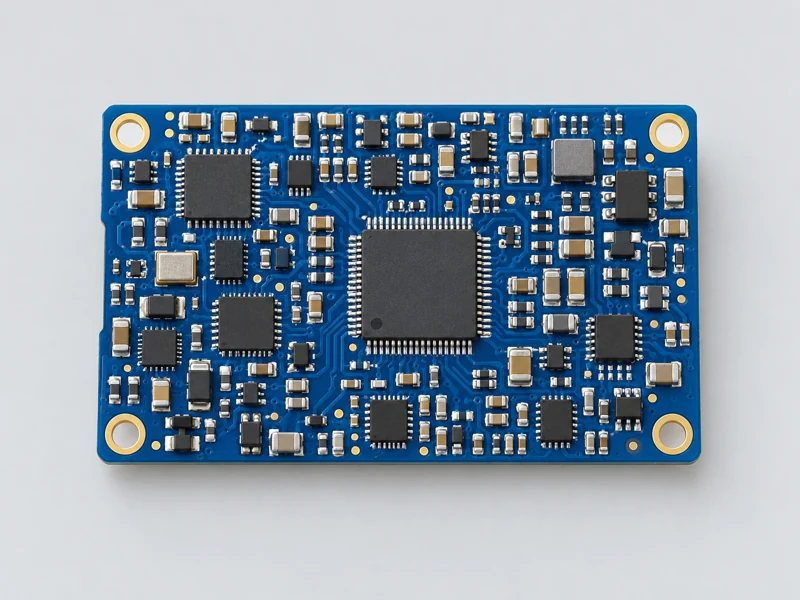
Surface Mount Assembly
Place and reflow surface-mounted ICs, resistors, capacitors, and other devices on one or both board sides.
Review package orientation, stencil design, placement access, and thermal requirements.

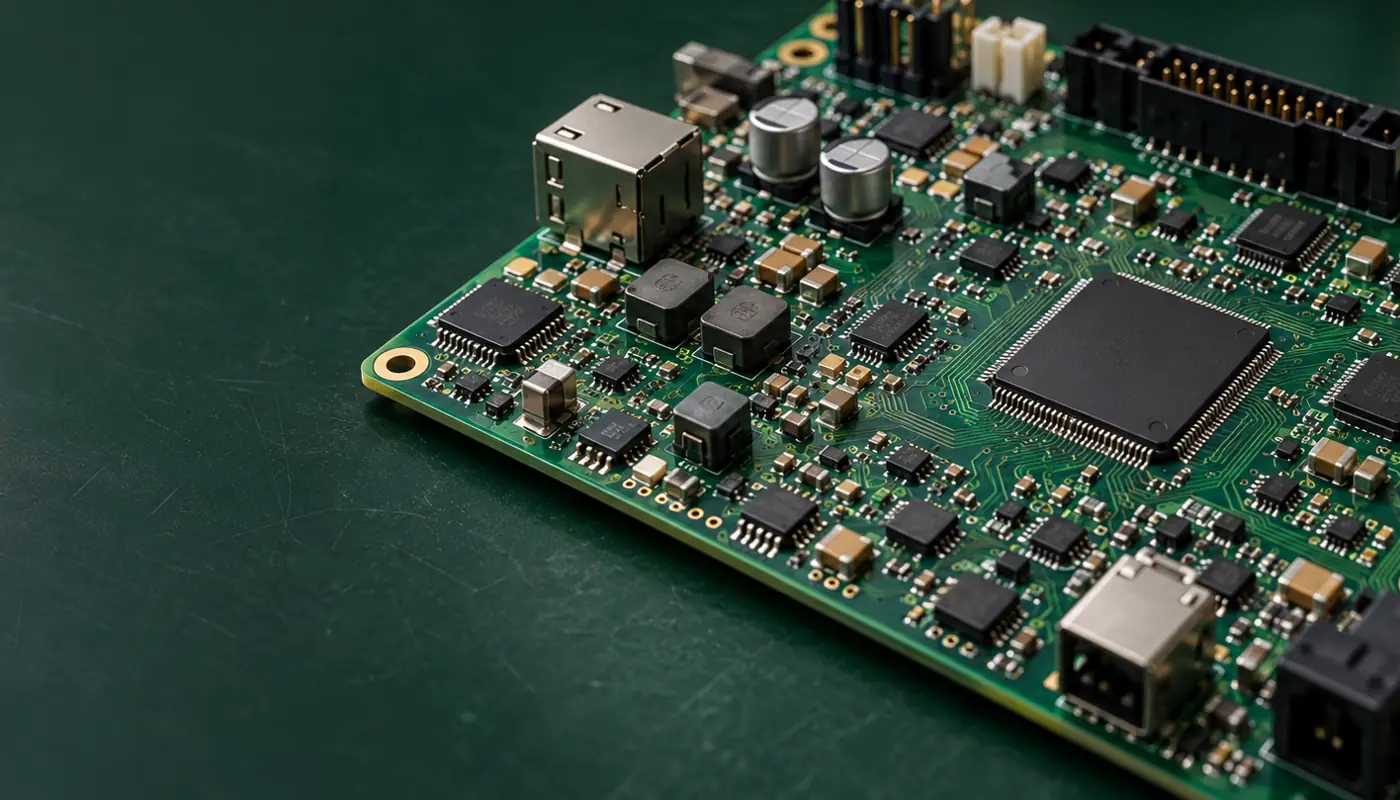
FROM COMPONENTS TO COMPLETE ASSEMBLIES
Bring your electronics into production with MV Circuit. We coordinate PCB fabrication, component sourcing, assembly, and testing around your approved design.
COMPLETE PCBA SUPPORT
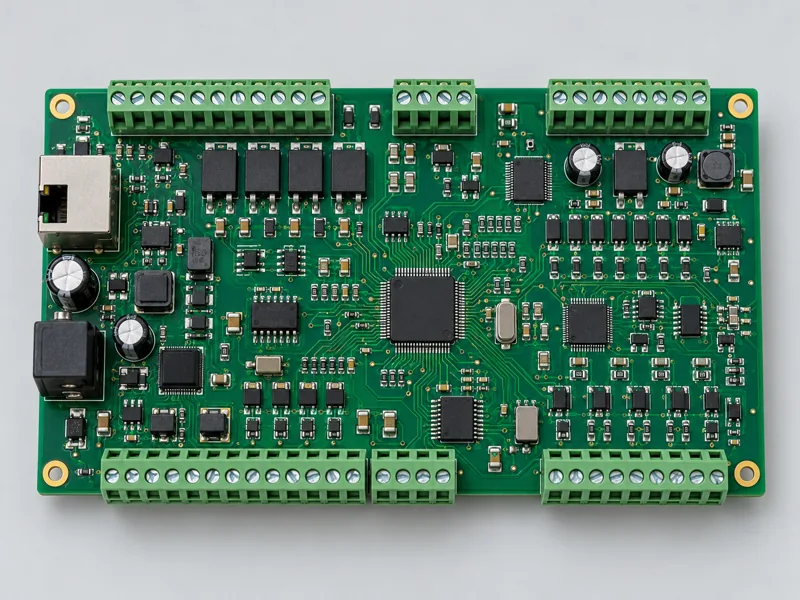
PCB assembly places and solders components onto the fabricated circuit board. A successful build brings the bare board, BOM, placement data, soldering process, and test plan together.
MV Circuit helps you move from engineering samples to repeat production. We review your files, clarify material requirements, and coordinate the work before assembly begins.
Your design may combine compact SMT devices, mechanically robust through-hole connectors, or both. We plan the assembly route around the complete product requirements.
ASSEMBLY TECHNOLOGIES
Place and reflow surface-mounted ICs, resistors, capacitors, and other devices on one or both board sides.
Review package orientation, stencil design, placement access, and thermal requirements.
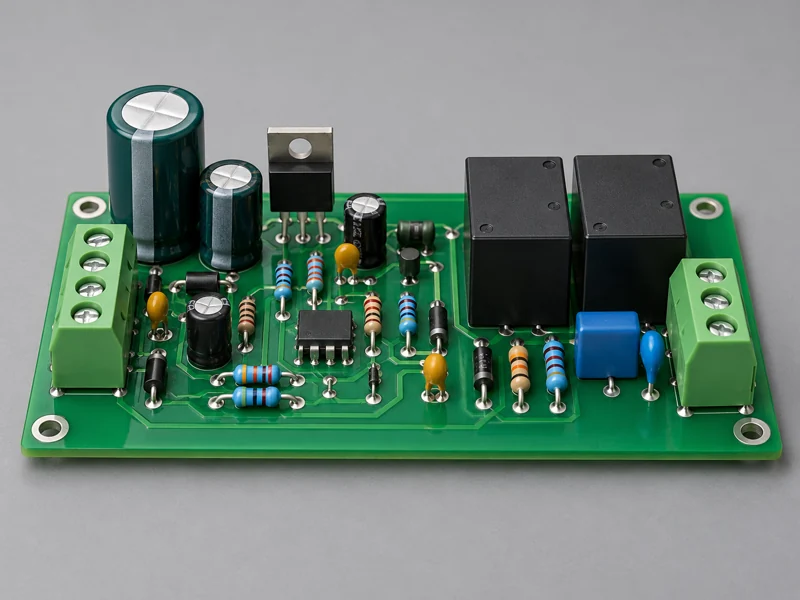
Assemble leaded connectors, relays, capacitors, and other parts that pass through the circuit board.
Select the soldering route around joint access, component limits, and production volume.
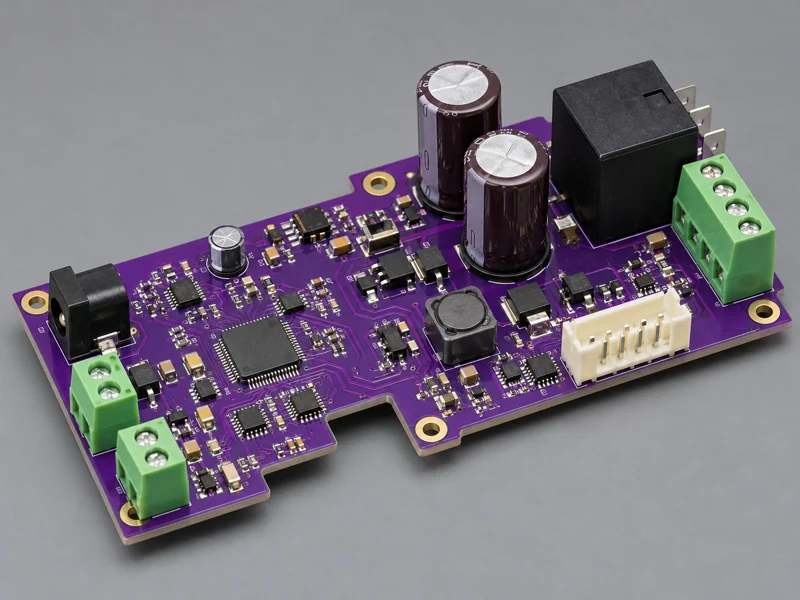
Combine SMT devices with through-hole components in a coordinated manufacturing sequence.
Plan fixtures, component clearance, and the order of soldering and inspection.
FLEXIBLE MATERIAL RESPONSIBILITY
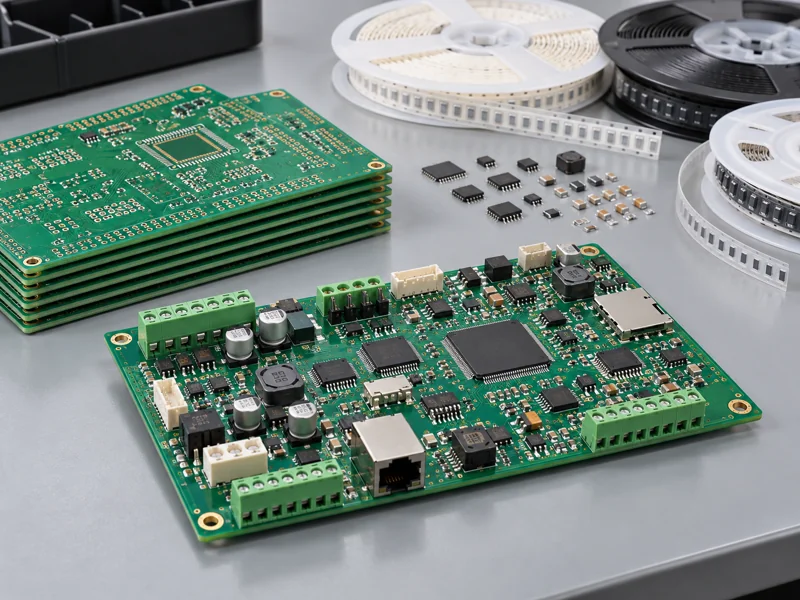
We coordinate bare boards and component sourcing using your approved BOM. Review lead times, approved vendors, and material alternatives before purchase.
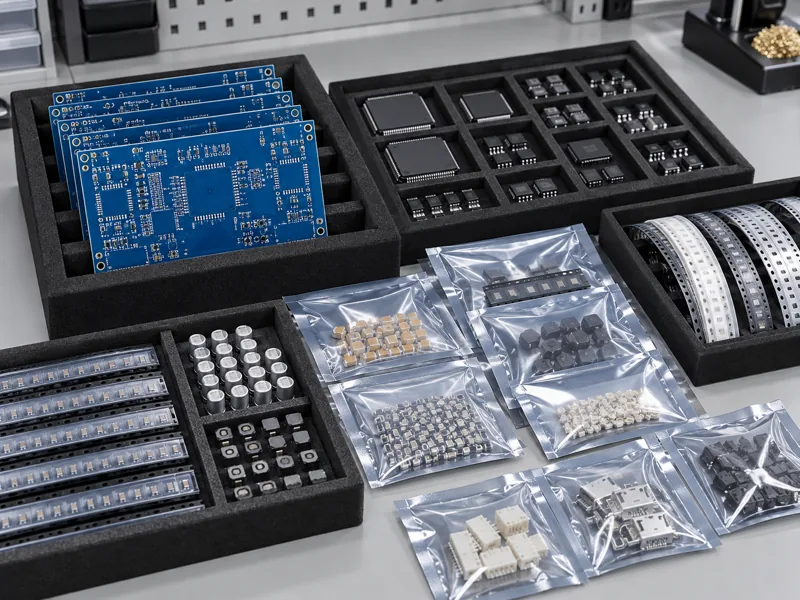
You provide the boards, components, or both. Supply a complete inventory with part numbers, quantities, labels, and suitable component packaging.
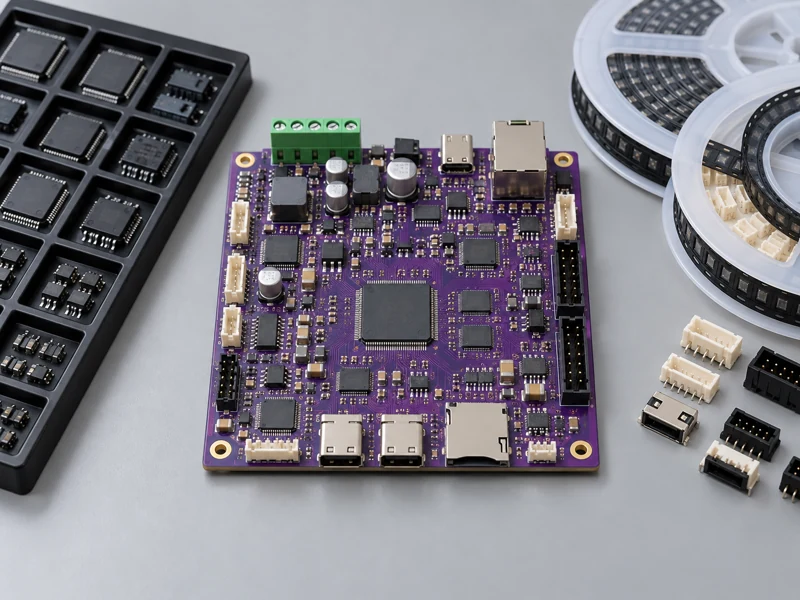
Combine your supplied components with items sourced by MV Circuit. A responsibility list keeps quantities, delivery dates, and missing materials visible.
COMPONENT PROCUREMENT
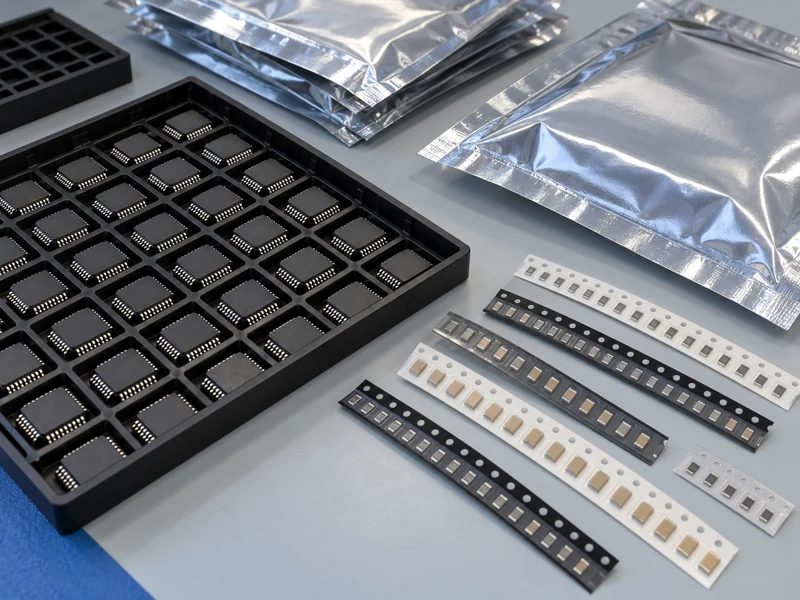
A useful BOM includes reference designators, manufacturer names, manufacturer part numbers, quantities, and approved alternatives. Identify do-not-fit positions explicitly.
We review sourcing requirements alongside the assembly data. Availability questions, package mismatches, and proposed substitutions are clarified before release.
For customer-supplied parts, agree packaging, moisture-sensitive handling, shelf-life requirements, and setup allowances. Preserve material identification throughout the build.
PROJECT CAPABILITY REVIEW
| Service Area | Assembly Scope | What to Confirm |
|---|---|---|
| Assembly technologies | SMT, through-hole and mixed-technology assembly | Single- or double-sided population, soldering sequence, and fixture requirements. |
| Board constructions | Rigid, flexible and rigid-flex PCB projects | Carrier support, panelization, bend zones, connector regions, and handling. |
| Project quantities | Prototype, small-batch and repeat production | Setup, first-article review, ramp-up quantities, and agreed delivery schedule. |
| Component packages | Passive devices, ICs, connectors and fine-pitch/BGA packages by review | Package dimensions, footprint, thermal limits, and hidden-joint inspection. |
| Material responsibility | Turnkey, consigned or partial turnkey | Approved BOM, suppliers, inventory, substitutes, and procurement responsibility. |
| Inspection and testing | Visual/AOI inspection with X-ray, ICT or functional testing as agreed | Application, coverage, sample plan, fixtures, software, and pass/fail criteria. |
| Additional requirements | Programming, cleaning, coating and integration by project review | Firmware version control, compatibility, masking, curing, and release records. |
The approved quotation defines the available process, package limits, inspection scope, and schedule for your design. Share unusual materials, large boards, sensitive components, and special acceptance requirements early.
MANUFACTURING WORKFLOW
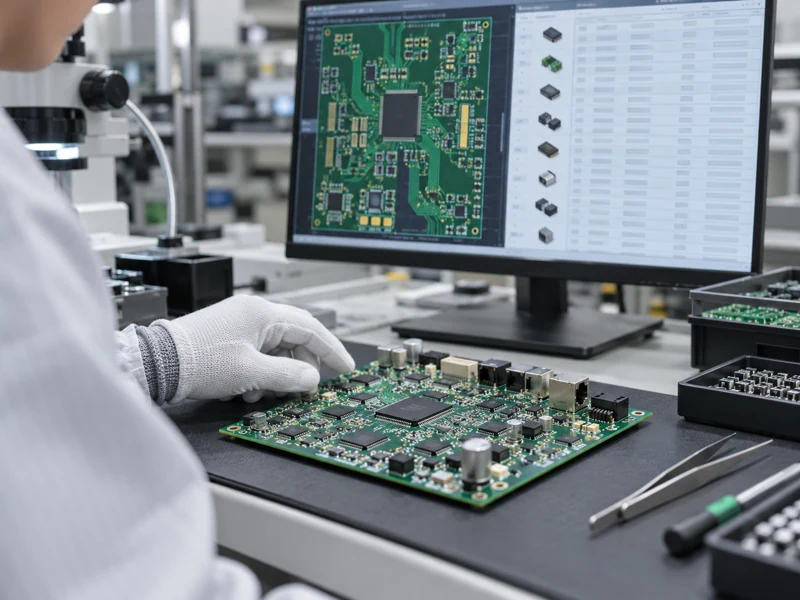
01
Align fabrication data, component part numbers, placement files, assembly notes, and the test specification.

02
Receive and identify boards and parts. Check quantities, packaging, polarity information, and special handling requirements.
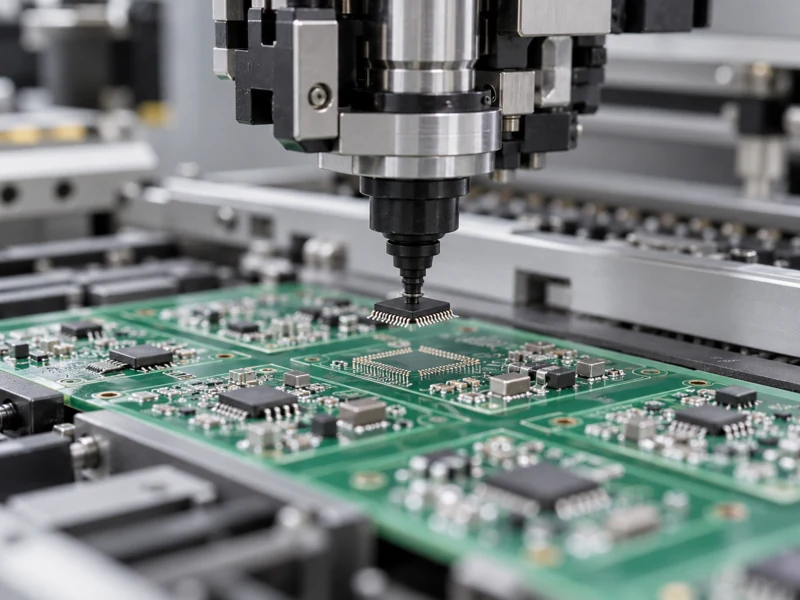
03
Prepare the stencil and solder paste process, then load and place SMT components against the approved program.
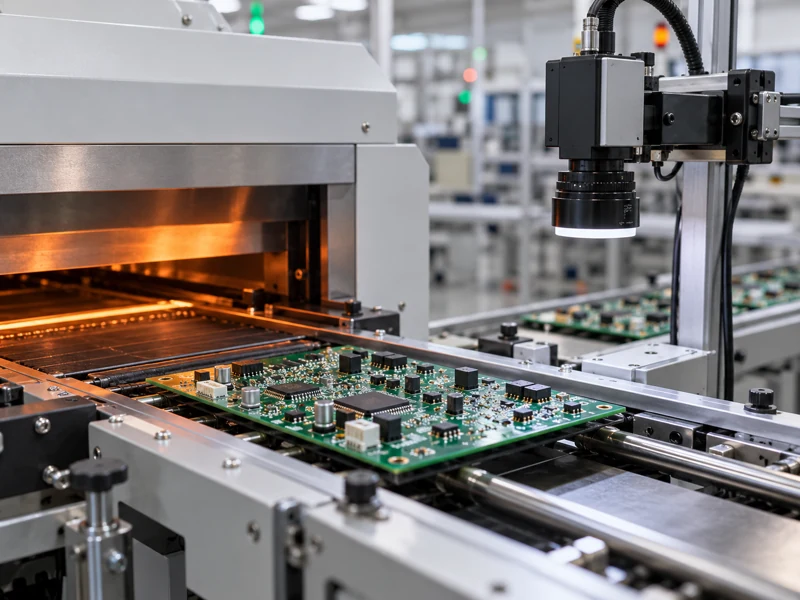
04
Run the agreed reflow and through-hole processes. Inspect assembly workmanship and resolve findings before release.
05
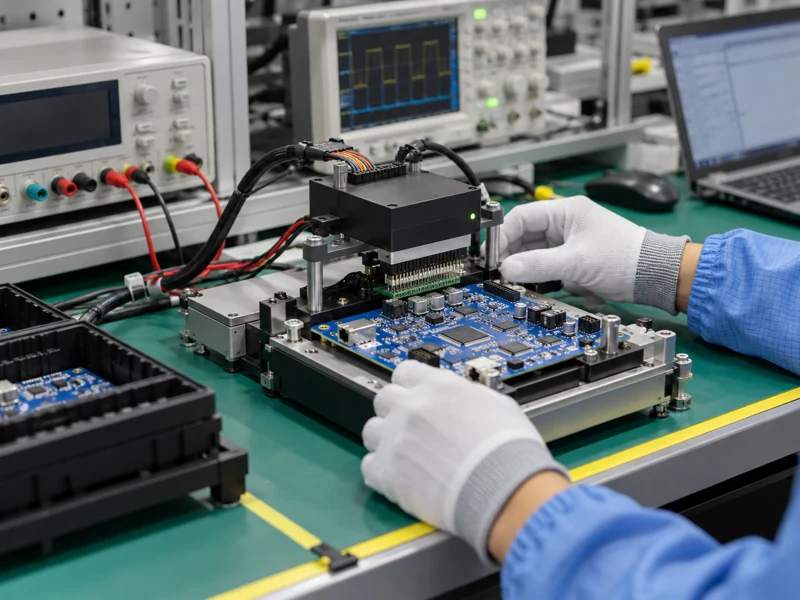
Load the approved firmware and perform the specified electrical or functional tests with defined limits.
06
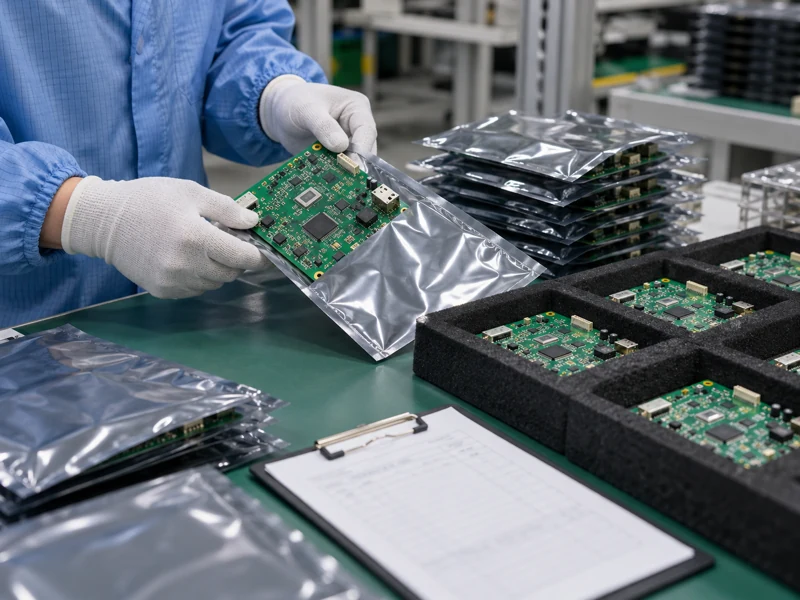
Review results, revision identity, labeling, and documentation. Protect assemblies with suitable ESD packaging.
INSPECTION & TESTING
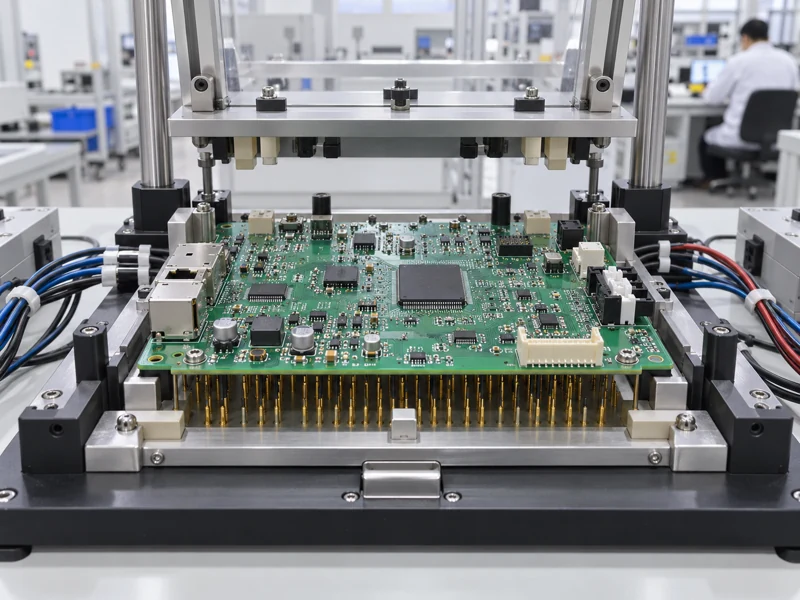
Visual inspection and AOI review accessible components, polarity, placement, and visible solder joints. Hidden joints may need an agreed X-ray inspection plan.
ICT and functional tests answer different electrical questions. Define test access, fixtures, firmware, operating conditions, and measurable pass/fail limits before the build.
A test result is meaningful within its stated coverage. We coordinate the inspection and release requirements with your application and purchasing specification.
APPLICATIONS
Controller boards, sensor interfaces, automation modules, and operator interfaces.
Power supplies, motor control boards, converters, and charging equipment.
Communication interfaces, IoT controllers, gateways, and embedded electronics.
Measurement systems, monitoring electronics, and application-specific control assemblies.
MV CIRCUIT
MV Circuit provides PCB fabrication and assembly support for customers across Europe, North America, and Asia. Our team coordinates fabrication files, component procurement, assembly requirements, and project communication.
With over 18 years of PCBA manufacturing experience, we support new orders without a minimum quantity. Sales and engineering support help you resolve questions from quotation through production.
A dedicated project contact keeps technical clarifications, material decisions, and production updates connected. Your approved data and acceptance plan guide the release of each build.
MANUFACTURING VIDEO
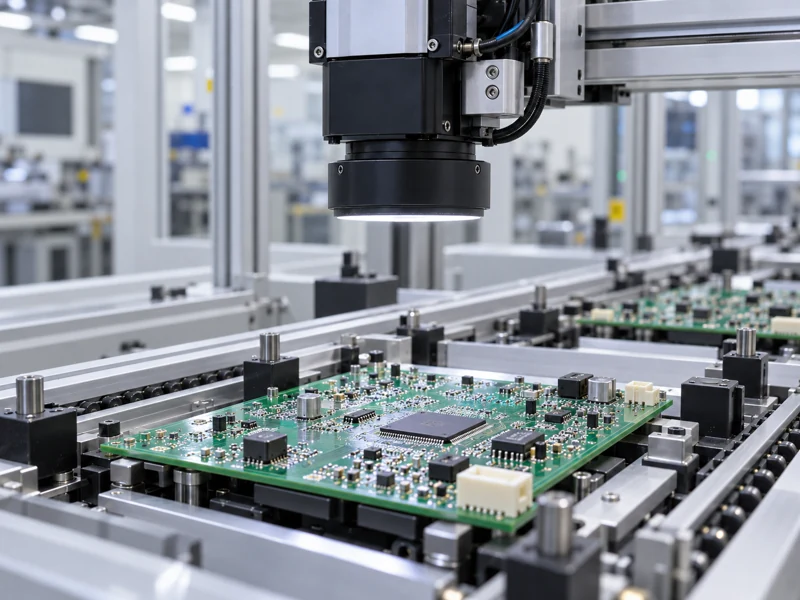
See the production and assembly overview from our official manufacturing channel. Ask our team how the process applies to your assembly design.
START YOUR BUILD
Send your fabrication files, BOM, pick-and-place data, and assembly drawing. Add quantities, target delivery, component sourcing responsibilities, and your programming or test requirements.
Email: info@mv-circuit.com
COMMON QUESTIONS
MV Circuit coordinates bare PCB fabrication, component procurement, SMT and through-hole assembly, and agreed inspection and testing. The quotation defines the exact scope, materials, quantity, documentation, and delivery schedule. Programming, coating, and integration requirements should be identified before production.
Send the Gerber or agreed fabrication data, drill files, BOM, pick-and-place file, and assembly drawing with matching revision numbers. Include quantities, delivery expectations, polarity notes, do-not-fit locations, firmware, and test instructions where applicable.
For turnkey assembly, we coordinate the boards and component procurement against your approved BOM. For consigned assembly, you supply the specified materials. Partial turnkey combines both approaches. Agree purchasing responsibility, quantities, packaging, and any approved alternatives before release.
Yes. SMT, through-hole, and mixed-technology projects can be reviewed. Component geometry, heat sensitivity, access, and production quantity determine the soldering sequence and fixtures. Send details of tall components, heavy connectors, and mechanically loaded parts.
We support prototype and low-volume inquiries without a minimum order quantity for new orders. Setup, stencil, procurement, and test requirements still affect cost. Tell us whether the build is for initial bring-up, validation, or a repeat production release.
BGA and fine-pitch devices are assessed against the actual package, footprint, board construction, and inspection requirements. Hidden solder joints may need X-ray inspection. Agree the relevant acceptance criteria and sampling plan with the engineering team before assembly.
We review the BOM for availability and identify purchasing questions before committing to production. Alternatives require your approval against electrical, mechanical, firmware, and regulatory requirements. We do not treat similar descriptions as permission to substitute a component.
Functional testing follows an agreed test specification. Provide supply limits, firmware, connections, operating sequence, and measurable pass/fail limits. AOI and solder-joint inspection do not replace powered functional verification. Fixtures, software, and coverage are confirmed in the quotation.
Delivery depends on approved files, PCB fabrication, material availability, setup, assembly complexity, and testing. Request a schedule covering the entire project. The manufacturing clock begins after the agreed data and material release conditions are met.
The main factors include PCB construction, BOM cost, placement count, assembly sides, package complexity, quantity, tooling, and test coverage. Consigned material preparation and special handling may add work. Compare quotations using identical files and acceptance requirements.
CUSTOMER FEEDBACK
“The team is highly responsive and always willing to provide expert advice.”Michael S. · USA
“The communication throughout the process is seamless. We highly recommend them for any PCB needs in the future.”Sarah L. · Germany
“Their quick turnaround times and dedication to ensuring we meet our deadlines make them an invaluable partner for us.”John D. · Italy
Existing feedback about MV Circuit’s overall PCB service. View the original feedback.